
Customer delivery expectations have changed dramatically over the last decade. What was once considered good service is now often viewed as the minimum standard, with consumers expecting faster delivery, greater visibility and more convenient fulfilment options than ever before.
For ecommerce businesses, delivery is no longer simply the final stage of the buying journey. It has become a key part of the overall customer experience. From the speed of dispatch to the quality of delivery communication, every touchpoint can influence customer satisfaction, loyalty and future purchasing decisions.
Understanding how customer delivery expectations are evolving can help businesses adapt their fulfilment strategies and remain competitive in an increasingly demanding marketplace.
The Evolution of Customer Delivery Expectations
In the early days of ecommerce, customers were generally willing to wait several days, or even weeks, for their orders to arrive. Online shopping offered convenience, but delivery speed was rarely a deciding factor.
Today, the landscape looks very different.
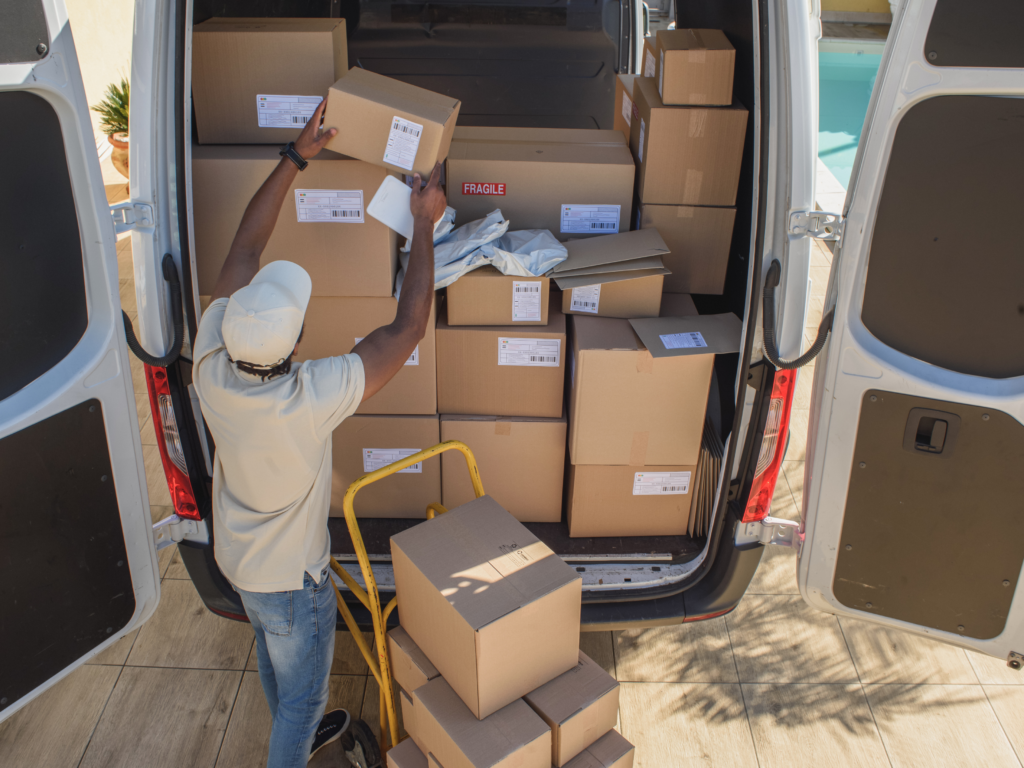
The growth of major online retailers, advances in fulfilment technology and the widespread adoption of mobile shopping have all contributed to rising customer delivery expectations. Consumers have become accustomed to rapid dispatch, real-time tracking and a high level of transparency throughout the delivery process.
As a result, many shoppers now judge a brand not only by the products it sells, but also by how efficiently those products reach their door.
What Today's Customers Expect From Delivery
While every customer is different, several key delivery expectations have become increasingly common across the ecommerce sector.
Speed
Fast delivery continues to play an important role in purchasing decisions. Next-day and expedited delivery options are now widely available, leading many consumers to expect shorter delivery windows than ever before.
Visibility
Customers want to know where their order is and when it will arrive. Clear tracking information and regular updates help reduce uncertainty and improve confidence in the buying experience.

Flexibility
Modern consumers often value choice as much as speed. Delivery options such as click and collect, safe-place delivery instructions and alternative delivery dates provide greater convenience and control.
Reliability
Perhaps most importantly, customers expect businesses to deliver on their promises. Accurate delivery estimates, consistent fulfilment performance and dependable service remain essential for building trust.
Customer Delivery Expectations by Generation
Different generations often prioritise different aspects of the delivery experience.
Generation | Typical Delivery Priorities |
Gen Z | Fast delivery, mobile tracking and convenience |
Millennials | Flexible delivery options and real-time visibility |
Gen X | Reliable delivery and clear communication |
Baby Boomers | Accuracy, consistency and customer service |
While these preferences vary between individuals, the common thread is clear: customer delivery expectations continue to centre around convenience, transparency and reliability.
For ecommerce brands, understanding these expectations can help shape fulfilment strategies that better serve a broad customer base.
The Business Impact of Changing Customer Delivery Expectations
Rising delivery expectations are not just a customer service issue. They can have a direct impact on business performance.
Customers who experience delivery delays, poor communication or fulfilment errors are often less likely to make repeat purchases. Negative delivery experiences can also result in unfavourable reviews, increased customer service enquiries and damage to brand reputation.
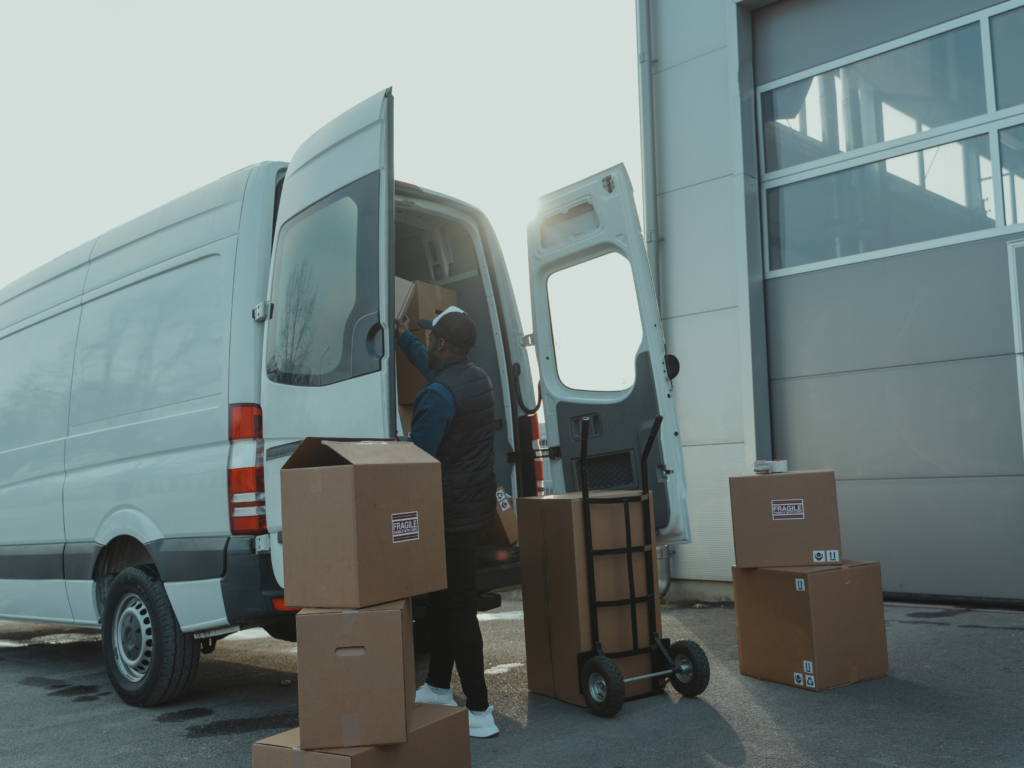
Conversely, businesses that consistently meet customer delivery expectations can strengthen customer loyalty and encourage repeat purchases. Reliable fulfilment can become a competitive advantage, particularly in crowded ecommerce markets where product offerings may be similar across multiple retailers.
As customer expectations continue to evolve, fulfilment performance is increasingly becoming a factor that influences long-term business growth.
How Fulfilment Operations Are Adapting
To keep pace with changing customer delivery expectations, businesses are investing in more efficient fulfilment processes and technology.
Warehouse management systems help improve inventory accuracy and reduce fulfilment errors. Ecommerce integrations allow orders to flow directly from online stores into fulfilment operations, speeding up order processing and reducing manual administration.
Many businesses are also working with specialist fulfilment providers to gain access to scalable warehousing, established carrier networks and operational expertise. This can help improve dispatch times, maintain consistency during busy periods and support continued growth.
As delivery expectations rise, efficient fulfilment operations are becoming increasingly important to maintaining customer satisfaction.
What Ecommerce Businesses Should Focus on in 2026 and Beyond
While delivery speed will continue to matter, customer delivery expectations are no longer focused solely on how quickly an order arrives.
Transparency is becoming equally important. Customers want accurate information, realistic delivery estimates and clear communication throughout the fulfilment journey.
Convenience is another growing priority. Flexible delivery options and simple returns processes can significantly influence the overall customer experience.
Businesses should also recognise that consistency matters. Customers are often more satisfied with a reliable three-day delivery service than an unpredictable next-day promise that is not consistently achieved.
Meeting customer delivery expectations is increasingly about delivering a dependable and transparent experience from checkout through to delivery.
Frequently Asked Questions About Customer Delivery Expectations
Advances in ecommerce, fulfilment technology and online retail competition have led consumers to expect faster delivery, greater visibility and more convenient fulfilment options.
Delivery speed remains an important factor for many consumers, particularly when purchasing time-sensitive products. However, reliability and communication are often just as important as speed itself.
Both are important, but many customers prefer a delivery service that is accurate and reliable over one that is fast but inconsistent.
Order tracking provides visibility throughout the delivery journey, helping customers feel informed and reducing uncertainty after a purchase has been made.
Yes. Positive delivery experiences can encourage repeat purchases, while poor fulfilment performance can lead customers to seek alternative retailers in the future.
How IN1 Helps Businesses Meet Customer Delivery Expectations
Meeting modern customer delivery expectations requires more than simply shipping orders quickly. Businesses need accurate inventory management, efficient order processing and fulfilment operations capable of maintaining consistent performance as demand grows.
IN1 provides scalable ecommerce fulfilment solutions designed to help businesses improve delivery performance and customer satisfaction. Through efficient warehousing, order processing and dispatch services, businesses can fulfil orders with confidence while maintaining visibility across their operations.
By supporting reliable fulfilment and efficient logistics processes, IN1 helps brands deliver the level of service that today’s customers increasingly expect.
Partner with IN1 to Consistently Meet Delivery Expectations
Customer delivery expectations have evolved significantly and show no signs of slowing down. Consumers now expect speed, visibility, convenience and reliability as standard parts of the ecommerce experience.
For businesses, fulfilment is no longer simply an operational function. It plays a critical role in customer satisfaction, brand reputation and long-term growth.
As expectations continue to rise, businesses that invest in efficient fulfilment processes and reliable delivery experiences will be better positioned to retain customers and remain competitive in an increasingly demanding market.